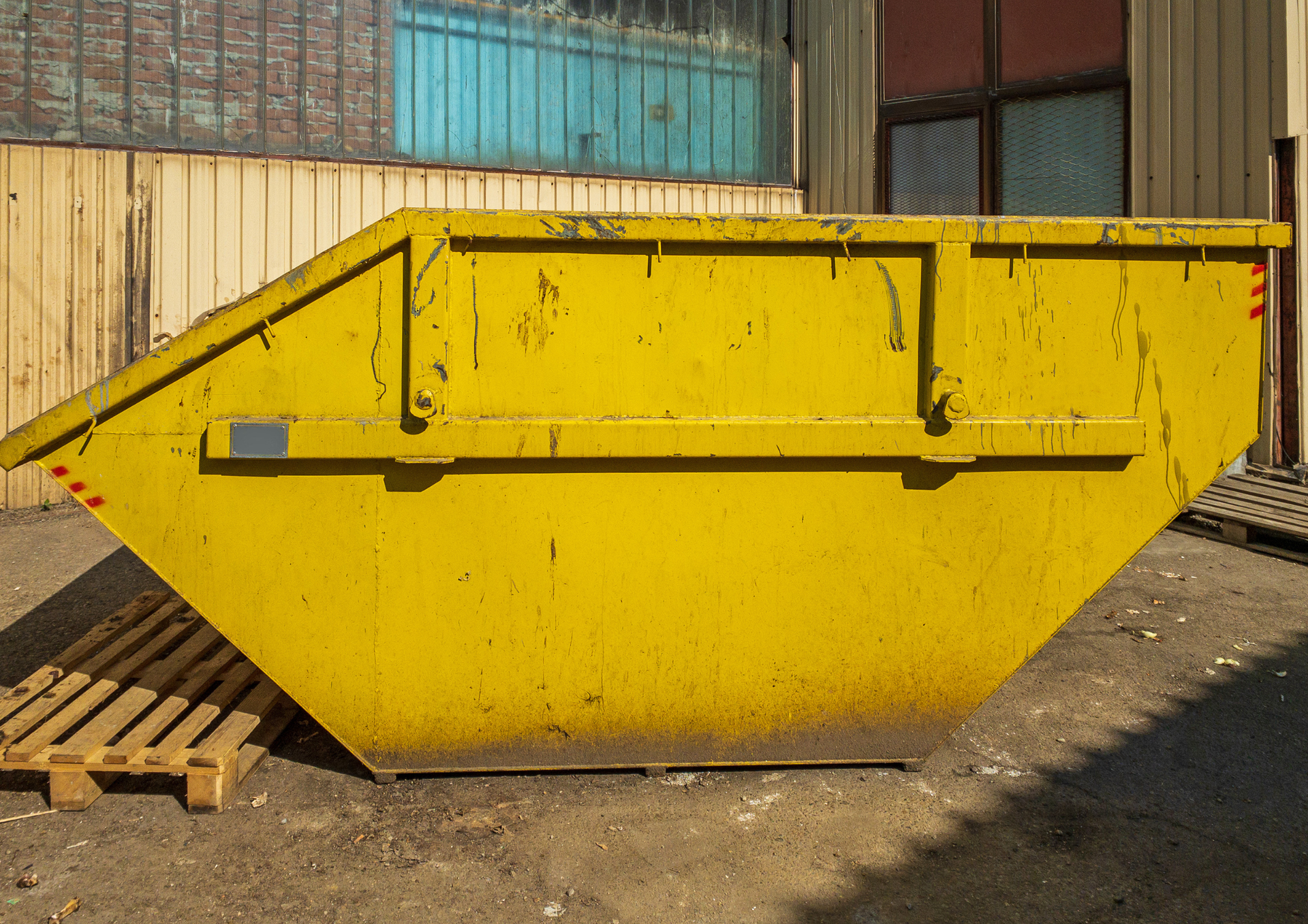

Common Mistakes to Avoid When Hiring Skips for Waste Removal
Effective waste management plays an important role in keeping projects organised, compliant, and efficient. Whether undertaking a home renovation, property clearance, landscaping project, construction work, or commercial refurbishment, choosing the right waste solution can help prevent unnecessary delays and complications.
Many homeowners, landlords, surveyors, local authorities, and property managers arrange skips to simplify waste disposal and maintain tidy working environments. However, mistakes made during the hiring process can result in increased costs, project disruption, and logistical difficulties.
Choosing the Wrong Size Container
One of the most common mistakes involves selecting a container that is either too small or unnecessarily large for the project.
Many people underestimate the amount of waste generated during construction, renovation, landscaping, or clearance work. As a result, skips can reach capacity much sooner than anticipated, potentially requiring additional collections or replacement units. This may increase project costs and contribute to avoidable delays.
Conversely, selecting an oversized unit may result in paying for capacity that is never fully utilised. While it can be tempting to choose the largest option available, matching the container size to the actual volume of waste often provides better value and efficiency.
Before arranging waste collection, it is helpful to consider:
- The type of project being undertaken
- Estimated waste volume
- Types of materials being removed
- Available space for delivery and collection
- Duration of the project
Professional guidance can often help customers identify the most appropriate option based on their specific requirements.
Failing to Check Permit and Placement Requirements
Another common issue occurs when customers overlook placement requirements.
While containers placed on private land such as driveways or private construction sites may not require additional permissions, different rules can apply when positioning them on public roads, pavements, or other publicly maintained areas.
Local authority regulations vary between locations, making it important to understand any permit requirements before delivery is arranged. Failure to do so can create delays and potentially require repositioning of the container once it has been delivered.
Site access should also be considered carefully. Delivery vehicles require sufficient space to manoeuvre safely, and obstacles such as low branches, overhead cables, parked vehicles, narrow entrances, or restricted access points can complicate delivery.
Assessing the site in advance helps avoid unnecessary complications on delivery day.
Mixing Waste Types Incorrectly
Waste segregation is often overlooked, particularly during larger projects where multiple waste streams are generated simultaneously.
Different materials may require separate handling and disposal processes. Mixing unsuitable items together can create collection difficulties and may result in additional processing requirements.
Customers should familiarise themselves with accepted materials before loading begins. Common project waste may include:
- Soil and hardcore
- Timber
- Plasterboard
- Green waste
- Construction debris
- Household clearance materials
- Packaging materials
Certain items often require specialist handling and should not be placed inside general waste containers without prior approval. Understanding these restrictions before work begins can prevent unexpected issues later in the project.
Clear communication regarding waste types allows collection providers to recommend suitable solutions while ensuring materials are managed appropriately.
Leaving Arrangements Until the Last Minute
Poor planning can significantly impact project efficiency.
Some customers wait until waste has already accumulated before arranging collection. This often results in overflowing work areas, reduced productivity, and unnecessary disruption.
Advance planning allows delivery schedules to align with project timelines, helping maintain safe and organised working environments throughout the duration of the work.
Forward planning is particularly beneficial during busy periods when demand for waste management services may increase. Scheduling requirements in advance provides greater flexibility and helps ensure the required equipment is available when needed.
Many experienced project managers integrate waste management planning into the early stages of project preparation rather than treating it as an afterthought. When customers decide to order a skip, early planning often helps avoid scheduling pressures and allows waste disposal arrangements to support the overall project timeline more effectively.
For convenience, many customers now prefer to skip online using straightforward booking systems that allow waste collection requirements to be arranged efficiently from home or the workplace. Understanding the differences between available container sizes, accepted materials, delivery requirements, and project timescales helps ensure that skip's hired for waste removal perform their intended role effectively throughout the project.
Skip Hire Mansfield
provides dependable waste management support for residential and commercial projects of all sizes. We focus on clear communication, practical advice, reliable delivery scheduling, and straightforward booking processes designed to simplify waste disposal requirements.
Our team understands the challenges associated with property improvements, construction projects, landscaping work, and clearance operations, allowing us to provide helpful guidance throughout the process.
Whether managing a small domestic project or a larger commercial development, customers can rely on our experience, professional approach, and commitment to supplying suitable skips and supporting efficient waste management solutions from start to finish.
Just out on X: Practical advice for avoiding common
skip hire mistakes.
You might also like