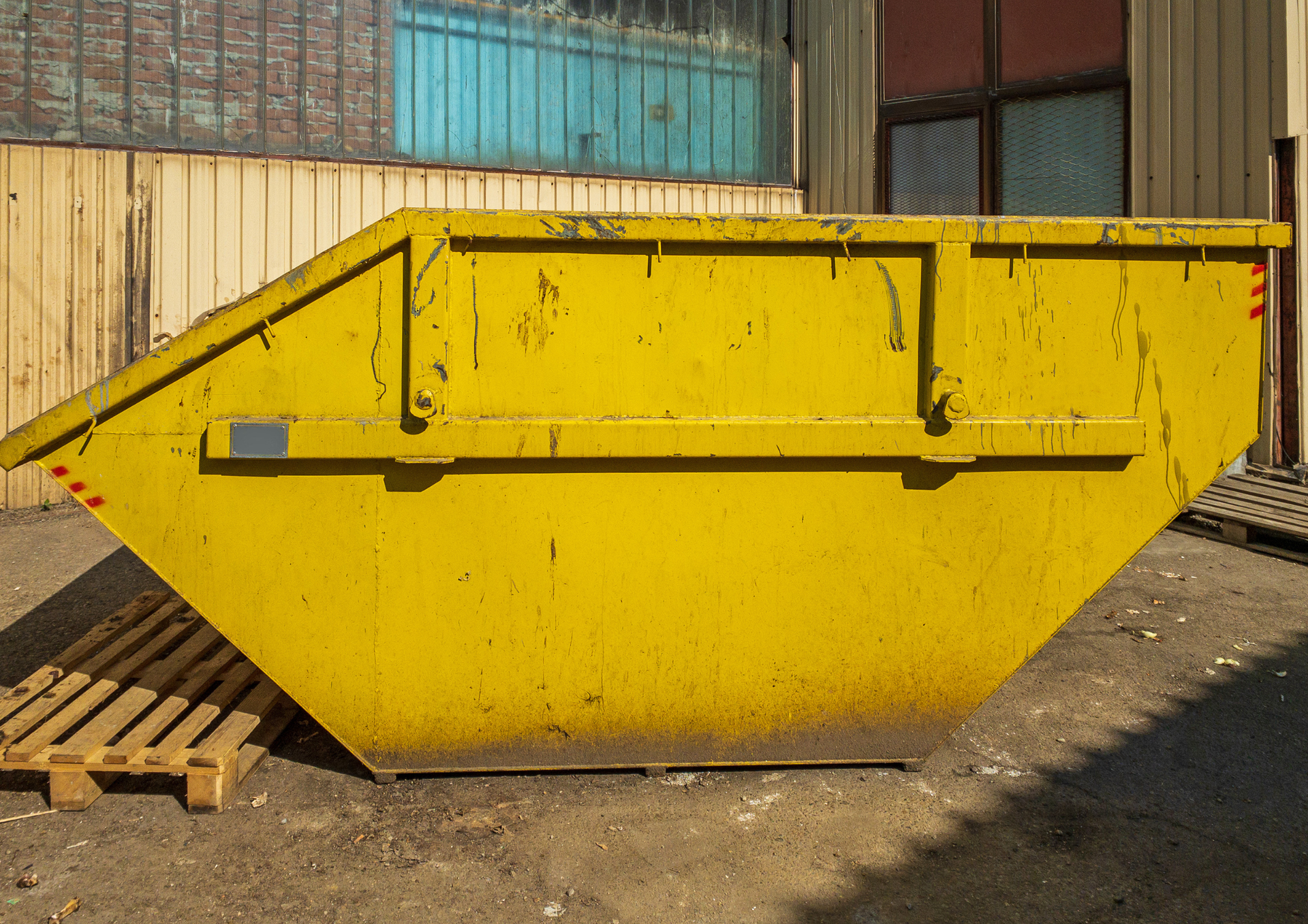

Before You Hire a Skip, Understand How Permit Rules May Apply Today
Planning waste removal is an important part of any household clearance, renovation, garden improvement or construction project. While choosing a suitable container and arranging delivery may seem straightforward, understanding the rules surrounding placement is equally important. If you intend to hire a skip, knowing whether permission is required can help you avoid unnecessary delays, additional charges and disruption to your planned work.
Permit requirements generally depend on where the container will be positioned. A skip placed entirely within a private driveway may not require the same permissions as one positioned on a public road. However, access restrictions, available space and local authority requirements can influence the arrangements that need to be made before delivery.
For homeowners, landlords, surveyors, local authorities and those responsible for residential or commercial properties, understanding these considerations is particularly valuable. A well-planned approach helps ensure waste can be collected efficiently while maintaining suitable access for pedestrians, motorists and neighbouring properties.
Whether you are renovating a home in Mansfield, managing a commercial refurbishment or organising waste removal elsewhere in the UK, checking the relevant requirements before booking can make the process considerably easier.
This guide explains how placement affects permit requirements, what customers should consider before arranging delivery and how suitable planning can support a straightforward waste removal experience.
Understanding When a Skip Permit May Be Required
The need for a permit generally depends on whether the container will occupy private land or part of the public highway. Understanding this distinction before arranging delivery helps customers identify potential restrictions and make suitable preparations.
Different locations may have different requirements, so customers should confirm the applicable arrangements with their local authority or chosen waste removal provider rather than assuming the same rules apply everywhere.
Placement on Private Property
- A skip positioned entirely within a private driveway or another suitable area of private land will not normally require a public highway skip permit.
- The chosen location must provide enough space for delivery, loading and collection without obstructing access to neighbouring properties.
- Customers should confirm that the ground is suitable for the expected weight of the container and its contents.
- Where the proposed location is shared or belongs to another property owner, permission from the relevant landowner or managing organisation may be necessary.
- Delivery vehicles must have sufficient room to approach the property and position the container without damaging surrounding structures or surfaces.
Placement on Public Roads
- A skip positioned on a public road will generally require permission from the relevant highway authority before delivery.
- The permit application may need to identify the proposed location, intended hire period and details of the company supplying the container.
- Depending on local arrangements, the provider may apply for permission on the customer's behalf, while some authorities have different application procedures.
- Restrictions may apply to roads with heavy traffic, limited visibility, parking controls or other access considerations.
- Customers should confirm whether the proposed position is acceptable before arranging delivery, particularly where space is limited.
Pavements and Pedestrian Access
- Public pavements are not automatically suitable locations for waste containers.
- A container must not create an unsafe obstruction for pedestrians, wheelchair users, people with pushchairs or others using the footway.
- Local authorities may impose restrictions on placement near junctions, crossings, bus stops and other areas where visibility or access could be affected.
- Alternative arrangements may be necessary where the available pavement space is insufficient.
- Customers should discuss any uncertainty about pedestrian access with the provider before confirming the booking.
Smaller Containers and Limited Spaces
- Customers considering mini skip hire for a small household clearance or renovation should still check the placement requirements.
- A smaller container does not automatically remove the need for permission when it is positioned on a public highway.
- Compact options may be more suitable for properties with restricted driveway space, provided the delivery vehicle can access the location.
- The expected waste volume and available loading area should be considered together when choosing a suitable size.
- Where space is particularly limited, customers may need to explore alternative waste collection arrangements.
Confirming Local Requirements
- Contact the relevant local authority or ask the provider about the rules that apply to the proposed delivery address.
- Establish who is responsible for obtaining permission and whether the application must be approved before delivery.
- Confirm the permitted placement location and any conditions relating to the hire period.
- Ask whether additional requirements apply to road markings, visibility, lighting or the positioning of the container.
- Allow sufficient time for any necessary approval rather than assuming permission can always be obtained immediately.
Taking these steps before booking helps customers understand the practical requirements associated with their chosen location. It also reduces the likelihood of having to rearrange delivery because the proposed placement is unsuitable.
How Permit Requirements Can Affect Your Project Planning
Permit arrangements can influence several aspects of a waste removal project, including delivery schedules, overall expenditure and the length of time a container can remain in position.
Understanding these considerations early allows customers to make informed decisions rather than dealing with unexpected complications after work has already started.
One important factor is the time required to obtain permission. Where a public highway permit is necessary, the application may need to be submitted several working days before the proposed delivery date. Processing times vary between authorities, and approval should not be assumed until it has been confirmed.
For homeowners planning a kitchen renovation or garden clearance, this may mean arranging waste removal before contractors begin work. Landlords preparing a property for new tenants may also need to consider how the approval process fits into their wider maintenance schedule.
Commercial projects can involve additional planning considerations. A refurbishment taking place on a busy shopping street, for example, may have limited opportunities for positioning a container without affecting deliveries, pedestrian movement or neighbouring businesses.Discussing the proposed location with the provider helps establish whether the requested arrangements are practical.
Permit charges are another consideration when preparing a project budget. Customers comparing skip hire prices should establish whether any required highway permit is included in the quotation or charged separately. The amount payable may vary according to the relevant authority, permitted duration and local requirements.
A quotation that initially appears less expensive may not represent the complete amount payable if additional permissions or placement arrangements are required.
Customers should therefore request a clear explanation of the services included before confirming their booking.The duration of the permit can also affect the project schedule. Some permissions apply for a defined period, meaning customers must ensure the container is collected or the necessary extension is arranged before the permission expires.
If building work takes longer than expected, the customer may need to discuss revised collection arrangements with the provider. Any required extension should be addressed before the existing permission ends.
For larger projects, estimating the likely volume of waste is particularly important. A container that fills earlier than expected may require replacement or collection before the original schedule.
Similarly, choosing an unnecessarily large container may create placement difficulties where road space is restricted.
Customers should also consider how the delivery and collection vehicles will access the site. Narrow roads, parked vehicles, low branches and restricted turning areas can all affect whether a particular location is suitable.These practical considerations may influence the type of container available and the arrangements required for delivery.
Where a public highway location is unsuitable, placing the container within the property boundary may provide an alternative, provided the available space and access conditions allow it.
For residential and commercial projects alike, effective planning involves balancing the expected waste volume, available space, project duration and relevant local requirements.
Taking these factors into account before work begins helps customers avoid preventable delays while ensuring waste removal arrangements remain appropriate throughout the project.
Practical Steps to Take Before Arranging Skip Delivery
Preparing for delivery involves more than selecting a suitable container. Customers should also consider the proposed placement location, access arrangements, waste materials and any permissions that may be necessary.
The following steps can help homeowners, landlords, surveyors, local authorities and commercial property managers organise waste removal more effectively.
Assess the Available Space
- Measure the proposed placement area before arranging delivery.
- Consider the dimensions of the container and the additional space required for the delivery vehicle.
- Check whether gates, walls, parked vehicles or other obstacles could restrict access.
- Ensure there is sufficient room for loading without obstructing entrances, footpaths or neighbouring properties.
- Discuss any uncertainty about the available space with the provider before confirming the booking.
Identify the Expected Waste
- Estimate the amount of waste likely to be produced during the project.
- Consider whether the materials will include household rubbish, garden waste, timber, rubble or other building materials.
- Confirm which materials the provider accepts and whether particular items require separate disposal arrangements.
- Avoid overfilling the container, as this may prevent safe collection.
- Choose a capacity that accommodates the expected waste without occupying more space than necessary.
Compare Available Services
- Customers searching for skip hire near me should consider the provider's delivery arrangements, available container sizes and approach to customer communication.
- Ask whether the company can assist with identifying the relevant permit requirements.
- Confirm the proposed delivery and collection dates before booking.
- Establish whether the provider can accommodate the property's access conditions.
- Request a clear quotation that explains the agreed services and any additional charges that may apply.
Confirm Responsibility for Permits
- Establish whether the proposed placement requires permission from the relevant highway authority.
- Ask whether the provider will submit the application or whether the customer must arrange it.
- Confirm that approval has been obtained before the container is delivered to a location requiring permission.
- Check the permitted duration and any specific placement conditions.
- Keep the relevant booking and approval information available in case questions arise during the hire period.
Prepare the Delivery Location
- Remove movable obstacles from the proposed placement area before the delivery vehicle arrives.
- Ensure that access routes are clear and that any necessary arrangements with neighbouring properties have been made.
- Identify potential restrictions such as overhead cables, low branches or limited turning space.
- Confirm that the chosen surface is suitable for the container and expected load.
- Where appropriate, discuss protective measures for driveways or other surfaces with the provider.
Plan for Collection
- Estimate when the project will generate its final waste materials.
- Arrange collection for a suitable date rather than allowing a full container to remain in position unnecessarily.
- Check whether the agreed collection date falls within the permitted placement period.
- Contact the provider promptly if the project schedule changes.
- Ensure the container remains accessible when collection is due.
These preparations can help reduce disruption while supporting a more organised waste removal process.They are particularly useful for projects involving several contractors, shared access areas or properties where space is limited.
Choosing a Suitable Waste Removal Service for Different Properties
Different properties present different challenges when arranging waste removal. A detached house with a spacious driveway may provide several placement options, while a terraced property on a narrow residential street may require more careful planning.
Understanding the characteristics of the property helps customers identify suitable arrangements before committing to a booking.For homeowners, the main considerations often involve available driveway space, the expected amount of waste and the duration of the improvement project.
A small bathroom refurbishment may produce a relatively modest amount of material, while a complete property renovation can generate significantly greater quantities of waste over several weeks.
Where the container can be positioned entirely within the property boundary, the arrangements may be more straightforward. However, customers should still consider whether the delivery vehicle can access the location safely.
Landlords managing rental properties may need to coordinate waste removal between tenancies, particularly when repairs, decorating or clearance work must be completed within a limited period.
In these circumstances, arranging delivery and collection around the maintenance schedule can help reduce disruption.Properties with shared entrances, communal parking areas or restricted access may require additional discussions with managing agents, neighbouring occupants or the relevant landowner.
Surveyors and those responsible for assessing property conditions may also need to consider waste removal when planning remedial work.Where repairs involve roofing materials, damaged fixtures or other building debris, identifying a suitable collection area can help contractors maintain an organised working environment.
For local authorities and organisations managing multiple properties, consistent planning procedures can be useful when coordinating waste removal across different sites.Each location should be assessed individually because access conditions, available space and highway requirements may differ.
Commercial properties can present additional challenges. Offices, retail premises and other business locations may have designated delivery areas, restricted loading times or limited space for waste containers.A provider should be informed of these conditions before delivery so that suitable arrangements can be discussed.
Customers looking for cheap skip hire should consider the complete service rather than focusing exclusively on the initial quotation. Reliable scheduling, appropriate equipment, clear communication and suitable collection arrangements can all contribute to better overall value.Choosing a provider that understands the practical requirements of the property can also help prevent avoidable complications.
For example, a container delivered to an unsuitable location may need to be repositioned, while a delayed collection could affect access to a driveway or commercial loading area.Discussing these considerations before booking helps establish realistic expectations.
Responsible waste handling is another important factor. Customers should confirm which materials are accepted and whether any items require specialist collection or separate disposal.Certain waste types cannot be placed in an ordinary mixed-waste container, and restrictions should be clarified before work begins.
Where recyclable materials can be separated appropriately, this may also support more efficient waste processing.Ultimately, selecting a suitable provider involves considering the property, project requirements and proposed collection arrangements together.
A service that works well for a small domestic clearance may not be appropriate for a large commercial refurbishment, particularly where access restrictions or ongoing waste production require a different approach.
By discussing these details in advance, customers can make arrangements that support the practical needs of their project while maintaining suitable access and organised working conditions.
Understanding permit requirements before arranging waste removal can help prevent unnecessary delays, unexpected charges and difficulties with container placement.
The most important consideration is whether the proposed location falls within private property or occupies part of the public highway. Where permission is required, customers should establish who will arrange the application, how long approval may take and what conditions apply to the placement.
Selecting an appropriate container size, checking access arrangements and confirming the expected hire period are equally important parts of the planning process. Before deciding to hire a skip, customers should consider the volume of waste, available space and any restrictions that could affect delivery or collection.
For homeowners, landlords, surveyors, local authorities and those responsible for residential or commercial properties, these preparations can make waste removal easier to coordinate alongside other project activities.
It is also important to remember that local requirements can differ. Customers should confirm the rules applicable to their specific location rather than relying on arrangements that may apply elsewhere.
Clear communication with the chosen provider helps establish what is included in the service and whether any additional preparations are necessary before delivery.
By considering placement, permissions, waste volume and collection arrangements together, customers can organise a more efficient process that supports their project from beginning to end.
Skip Hire Mansfield provides practical waste removal solutions for homeowners, landlords, surveyors, local authorities and those responsible for residential or commercial properties across Mansfield and the surrounding areas.
We understand that every project has different requirements, particularly when available space, access conditions and waste volumes influence the arrangements needed for delivery and collection.
Whether you need to hire a skip for a household clearance, garden improvement, property refurbishment or larger building project, our approach focuses on helping you identify a suitable solution for your requirements.
We aim to provide clear communication throughout the booking process so customers understand the proposed delivery arrangements, expected collection schedule and any placement considerations that may need to be addressed.
Where a container is intended for a public highway, we encourage customers to establish the relevant permit requirements before confirming delivery. Understanding these arrangements in advance helps reduce the likelihood of unnecessary disruption.
Our focus is on providing a straightforward service that supports efficient waste management without adding unnecessary complexity to your project.Contact us to discuss your waste removal requirements, available space and preferred delivery arrangements so we can help you identify a practical solution for your property.
Check out our latest X update to understand the permit rules you should know before you
hire a skip for your next project!
You might also like